Key Operational Impacts on Project Logistics
The region’s central role in energy flows and east-west trade corridors means that any deterioration can cause significant disruptions. Understanding these specific impacts is the first step toward building a resilient strategy for your high-value shipments.
Maritime and Heavy-Lift Transport
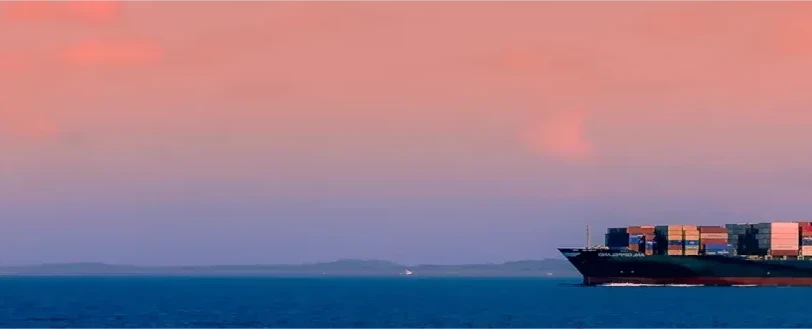
Ocean freight is facing heightened security risks in the Gulf and surrounding waters, leading to vessel diversions, suspended sailings, and halted transits. As a result, war-risk insurance premiums and related surcharges are rising sharply. This increases the baseline cost of shipping operations, especially for project cargo that often requires specialized handling and routing. Redirected traffic will inevitably cause congestion at alternative hub ports in the Middle East and Asia, threatening schedules and capacity for oversized and heavy-lift shipments.
Air Cargo Operations
Air cargo is not immune to these challenges. Airspace restrictions and rerouting are increasing transit times and reducing schedule reliability for time-sensitive components. Longer flight paths lead to higher fuel consumption and operating costs. As carriers adjust networks to avoid high-risk zones, capacity constraints will emerge, making it more difficult to secure space for urgent and critical project cargo.
Broader Supply Chain Volatility
The disruption to energy, petrochemical, and industrial flows will create knock-on effects across global manufacturing, retail, and energy systems. You can expect to see increased volatility in freight rates, equipment availability, and contractual performance as operators adapt to uncertain transit environments. For directors managing complex logistics for EPC projects, this volatility introduces significant risk that demands proactive management.
Immediate Actions for Apollo Members
The situation remains fluid, and sudden changes like vessel rerouting or airspace closures can happen with little notice. Here are six clear actions you can implement now to maintain control and provide reliable service.
1. Protect Your Personnel and Operations
Your team’s safety and your operational continuity are the top priorities.
- Monitor official government advice and carrier security notices daily.
- Review your business continuity and crisis management plans to ensure they are current.
- Maintain close and constant contact with your local agents and your trusted Apollo partners.
2. Maintain Total Situational Awareness
You need complete visibility over every shipment.
- Identify all shipments currently moving through or scheduled to transit affected regions.
- Track cargo movements in real time and verify routing directly with carriers.
- Prepare for sudden diversions, delays, or suspension of services, and inform customers proactively.
3. Review Your Contractual and Liability Positions
Protect your business from legal and financial exposure.
- Assess how force majeure or exceptional circumstances clauses apply to your current contracts.
- Clarify your liability exposure for delays, deviations, or non-performance.
- Ensure subcontractor terms offer equivalent protections and maintain comprehensive documentation to support any claims.
4. Manage Financial and Insurance Risks
Do not assume your standard policies offer adequate protection.
- Verify your cargo and liability insurance coverage specifically for conflict zones.
- Confirm the details of your war-risk coverage, including exclusions and notification duties.
- Prepare for additional surcharges, deposits, or payment guarantees from carriers.
- Review your credit exposure, especially where shipments may be significantly delayed or cancelled.
5. Ensure Transparent Customer Communication
Your clients depend on your expertise to guide them through uncertainty.
- Provide frequent and clear updates on routing changes and potential delays.
- Explain the drivers behind any cost increases or surcharges with professionalism.
- Encourage flexibility in delivery timelines and manage service expectations.
- Advise customers on alternative transport solutions, showcasing your problem-solving capabilities.
6. Strengthen Supply Chain Flexibility
Agility is your greatest asset in a volatile market.
- Explore alternative ports, gateways, and routing options for your key trade lanes.
- Consider creative multimodal solutions that combine sea, air, and land transport to bypass bottlenecks.
- Anticipate congestion at substitute hubs and coordinate closely with carriers, terminals, and inland operators.
Leveraging the Apollo Network Advantage
Navigating these global disruptions is a significant challenge, but you are not facing it alone. The Apollo Global Experts network was created to provide reliable partnerships and shared expertise, especially during times of industry stress.
Use our community to connect with trusted members who can provide on-the-ground intelligence and secure alternative routes for your cargo. Lean on the collective experience of seasoned professionals who have managed similar crises. By working together, we can turn these complex global challenges into opportunities to demonstrate our unique value and deliver the reliable, high-end service our clients expect.
The situation requires vigilance and strategic action. By taking these steps, you can safeguard your operations, support your clients, and reinforce your position as a leader in project logistics. Let’s continue to create impact together.